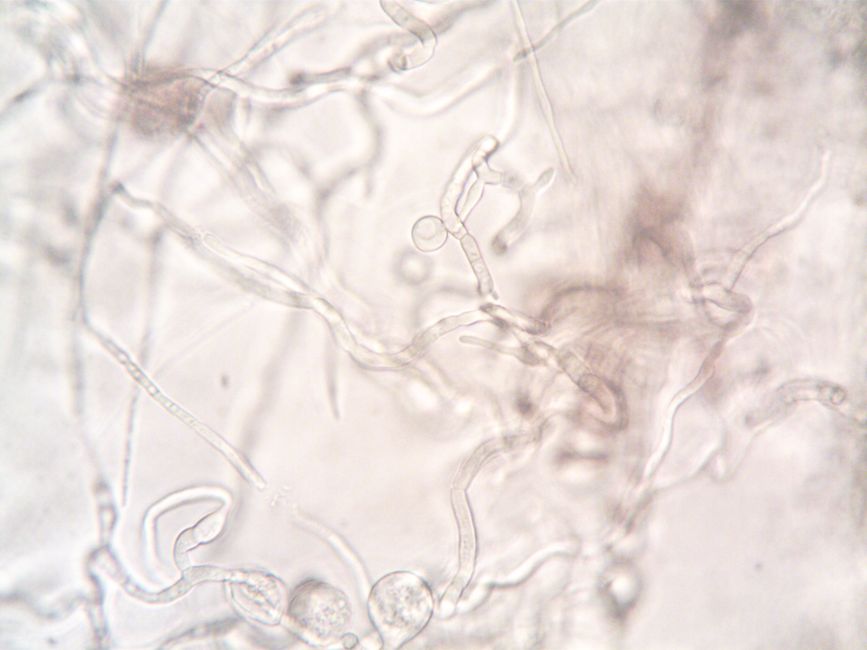
UK-based F2G Ltd and Japan-based Shionogi & Co., Ltd reported that candidate anti-fungal olorofilm produced a Phase III non-inferiority win against Gilead's AmBisome (liposomal amphotericin B) in azole-refractory invasive aspergillosis. The result positions the oral orotomide antifungal as the first candidate in over two decades to offer a mechanistically novel treatment option for one of the most difficult-to-treat fungal infections. The result matters not just for its non-inferiority conclusion, but because it was achieved with a substantially cleaner tolerability profile than the intravenous comparator — significant given that nephrotoxicity frequently limits treatment choices in the targeted patient population.
The OASIS trial (NCT05101187) is a global, randomized, non-inferiority study enrolling 225 adults with invasive aspergillosis whose infection was either refractory to or unsuitable for azole therapy. Patients were randomized 2:1 to oral olorofim or liposomal amphotericin B followed by standard of care. The primary endpoint — all-cause mortality at Day 42 — was 23.8% for olorofim versus 24.3% for the comparator arm, a difference of −0.5% (95% CI: −13.1 to 10.8%), comfortably within the pre-specified 20% non-inferiority margin. No new safety signals emerged for olorofim. Drug-related treatment-emergent adverse events occurred in 35.8% of patients on olorofim compared with 63.9% on liposomal amphotericin B, with the gap largely attributable to the higher rate of renal events in the amphotericin arm.
Tolerability as a differentiator
The safety divergence between arms is noteworthy. In immunocompromised patients — the core population for invasive aspergillosis — renal impairment is not merely an adverse event but a clinical constraint that can force dose reductions, treatment interruptions, or switches to less effective regimens. Liposomal amphotericin B, despite its improved renal profile relative to conventional amphotericin B deoxycholate, still carries meaningful nephrotoxicity risk. Olorofim's oral route and distinct mechanism — inhibition of dihydroorotate dehydrogenase (DHODH), a key enzyme in the fungal pyrimidine biosynthesis pathway that has no equivalent in currently approved antifungals — means it avoids the renal liabilities intrinsic to polyene antifungals. This mechanistic separation also confers activity against azole-resistant Aspergillus strains, including those harboring TR34/L98H CYP51A mutations, which are increasingly prevalent globally.
The competitive landscape in azole-refractory invasive aspergillosis is sparse. Merck's Cancidas (caspofungin) carries an FDA label explicitly covering the refractory/intolerant population, but as an intravenous echinocandin it is fungistatic rather than fungicidal against Aspergillus and requires hospital or infusion center administration. Liposomal amphotericin B, the OASIS comparator, is the most commonly used non-azole option. Cross-trial comparisons carry well-known limitations, but olorofim's oral formulation and mortality outcome numerically equivalent to an IV polyene, combined with a substantially lower adverse event burden, represents a meaningful differentiation in a setting where treatment options have been static for over two decades.
Strategic and regulatory context