New York-based Neion Bio, Inc., a biotechnology company developing a genetic engineering-based platform for biologics manufacturing, has closed an oversubscribed USD 23 million Series A financing round to advance its Raptor platform and expand a pipeline spanning biosimilars, innovative medicines, critical reagents, and animal health. The Neion Bio Series A funding positions the company to accelerate a manufacturing approach it argues could materially reduce the cost and capital intensity of producing complex biologic medicines.
The round was led by Caffeinated Capital, an early backer of the company, with participation from new investors Digitalis Ventures, Ensemble VC, and Trust Ventures, alongside follow-on investment from existing backers Haystack and Basis Set Ventures, among others. The company said proceeds will fund pipeline expansion and continued development of proprietary technologies designed to enable biologics production at meaningful scale within days — a timeline the company says would enable faster iteration cycles for screening and production of novel molecules.
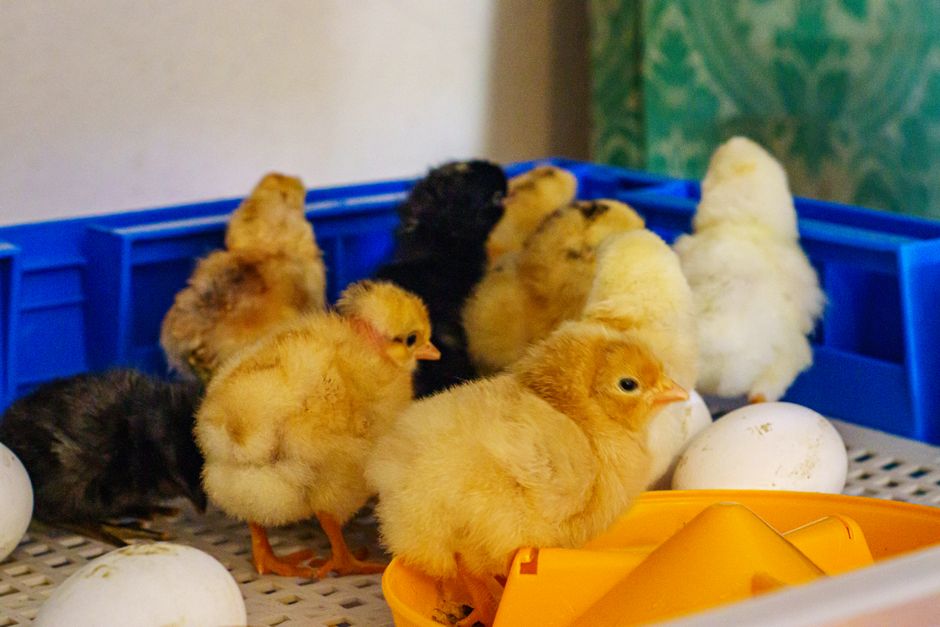
Neion Bio's central premise is that the chicken egg, refined over hundreds of millions of years of evolution and centuries of selective breeding, represents an underutilized production system for complex therapeutic proteins. The company's Raptor platform uses precision genome engineering — made possible by recent advances in avian primordial germ cell (PGC) biology and large genomic datasets — to restrict recombinant protein expression to the egg itself. The result, the company said, is a sterile, self-contained, naturally high-yield vessel that sidesteps the capital-intensive bioreactor infrastructure associated with conventional mammalian cell culture manufacturing.
The scientific rationale is that eggs already produce and stabilise large quantities of protein in a controlled biological environment. By engineering the genome of the laying hen rather than building industrial steel tanks or maintaining complex disposable plastic systems, Neion argues it can achieve consistent protein expression with simplified operations and a manufacturing footprint that is both more resilient and more cost-efficient than traditional approaches. The platform is said to be particularly suited to complex, glycosylated proteins that have proven difficult to express using conventional methods — a category that includes many high-value biologics currently on the market or in development.
The approach places Neion in a distinct segment of the biologics manufacturing landscape. Traditional contract development and manufacturing organisations rely on Chinese hamster ovary (CHO) cell culture as the dominant production system for monoclonal antibodies and related biologics. Transgenic avian platforms have been explored previously — including by companies such as Synageva BioPharma, which produced sebelipase alfa in eggs before its 2015 acquisition by Alexion — but Neion's founders argue that advances in precision genome engineering now make the approach substantially more tractable and scalable than earlier iterations.