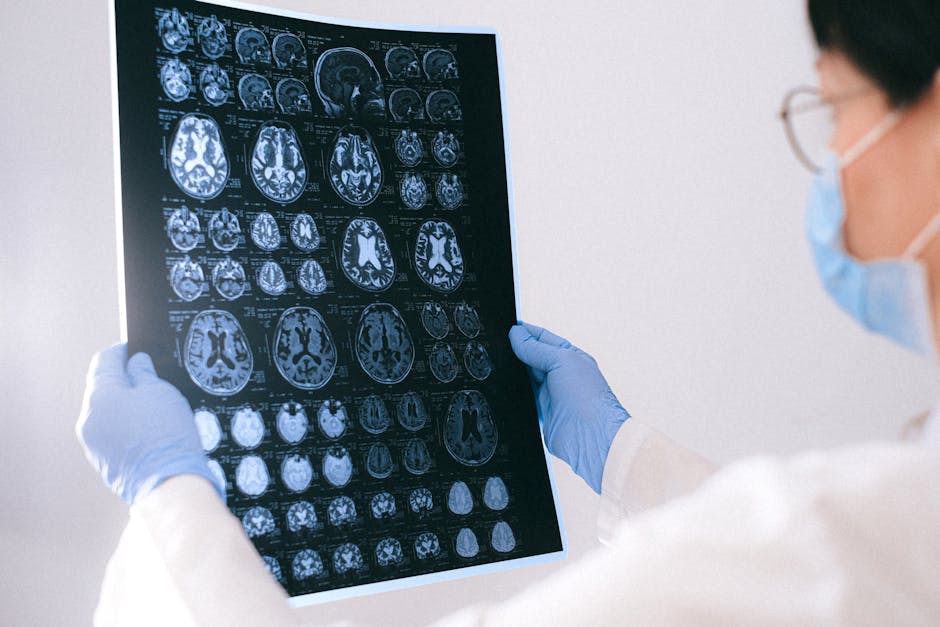
Lunai Bioworks and BrainStorm Therapeutics have launched a foundation-funded neurology collaboration pairing AI-driven target discovery with human brain organoid technology. The aim is to address the persistent translational failures that have plagued drug development in the CNS space. The strategic collaboration and Letter of Intent brings together Lunai Bioworks (NASDAQ: LNAI) subsidiary BioSymetrics and private San Diego-based BrainStorm Therapeutics, with initial programs targeting Parkinson's disease and rare genetic epilepsies. A grant from the LouLou Foundation, a nonprofit focused on rare epilepsy, provides external funding for the flagship rare epilepsy program; the grant amount was not disclosed. Financial terms between the two companies were not disclosed.
The collaboration integrates three distinct technology layers. BioSymetrics contributes an AI phenomics platform built around a proprietary knowledge graph — described by the company as the Phenograph — that links phenotypes, genes, diseases, and drugs across biological model systems, paired with in vivo zebrafish screening for rapid target validation. BrainStorm Therapeutics contributes human iPSC-derived 3D brain organoids, with a flagship Parkinson's disease midbrain organoid model designed to recapitulate the dopaminergic neuron biology selectively lost in the disease.
The platforms are positioned as sequential and complementary: AI-driven target identification feeds into zebrafish in vivo confirmation, which then feeds into human organoid validation for translational relevance. In the Parkinson's program, BioSymetrics is applying its AI tools to the Parkinson's Progression Markers Initiative (PPMI) dataset to identify progression-associated biomarkers and candidate targets, which BrainStorm's organoid model will then interrogate in a human cellular context. Dr. Calum MacRae of Brigham and Women's Hospital and Harvard Medical School is involved as a scientific collaborator on the LouLou Foundation-funded epilepsy program.