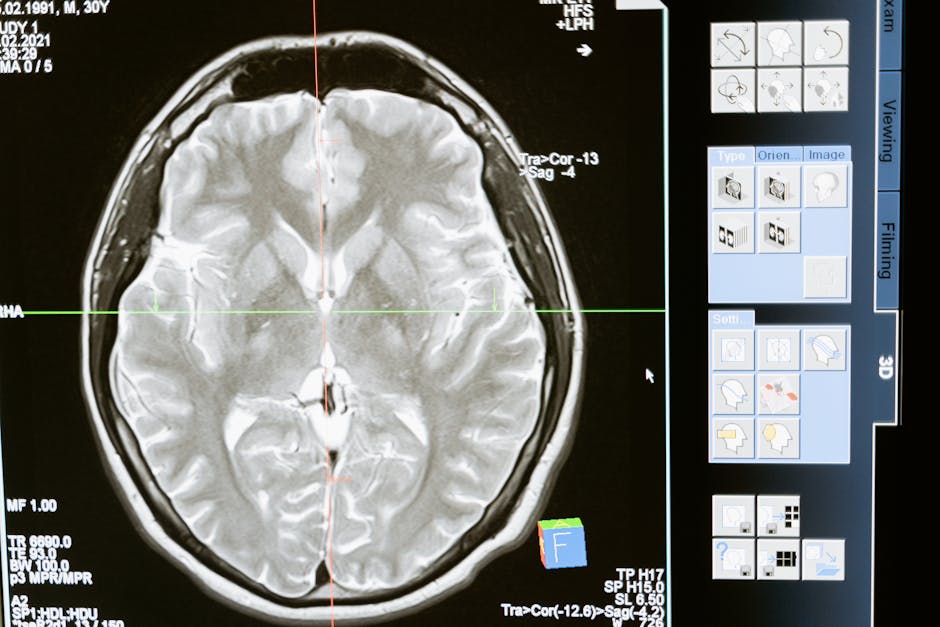
A new imaging analysis of PharmatrophiX's LM11A-31 in mild-to-moderate Alzheimer's disease found statistically significant slowing of brain network decline versus placebo at 26 weeks, according to data presented at the Alzheimer's Association International Conference (AAIC) in London. The findings provide additional mechanistic support for biomarker and exploratory cognitive results previously reported from the completed Phase IIa trial.
Researchers at Indiana University School of Medicine analyzed ^18^F-FDG-PET scans from 159 participants enrolled in the randomized Phase I/II study (NCT03069014). Using metabolic covariance analysis, hierarchical clustering and network efficiency methods, they assessed changes in whole-brain and regional metabolic connectivity over six months.
LM11A-31 demonstrated dose-dependent preservation of whole-brain metabolic connectivity and functional brain networks associated with cognitive domains including memory, with the strongest effects observed in the 400 mg treatment arm. The analysis also identified sex-dependent differences in network responses.
The findings extend results published in Nature Medicine in 2024, in which LM11A-31 treatment was associated with a 50% reduction in progression on ADAS-cog13 and MMSE compared with placebo, along with statistically significant effects across five biomarker categories, including structural MRI, FDG-PET, cerebrospinal fluid synaptic and glial markers, CSF proteomic modules enriched for synaptic proteins, and plasma p-tau217. No treatment-related amyloid-related imaging abnormalities (ARIA) were reported.
The Phase I/II study enrolled 242 participants across placebo, low-dose and 400 mg treatment arms. The current analysis included the 159 participants with evaluable FDG-PET scans.
The metabolic network mapping approach developed at Indiana University remains an emerging research tool and has not been standardized across Alzheimer's disease clinical trials, limiting comparisons with other datasets. The analysis was also conducted post hoc from a completed Phase IIa study that was not powered to demonstrate clinical efficacy.