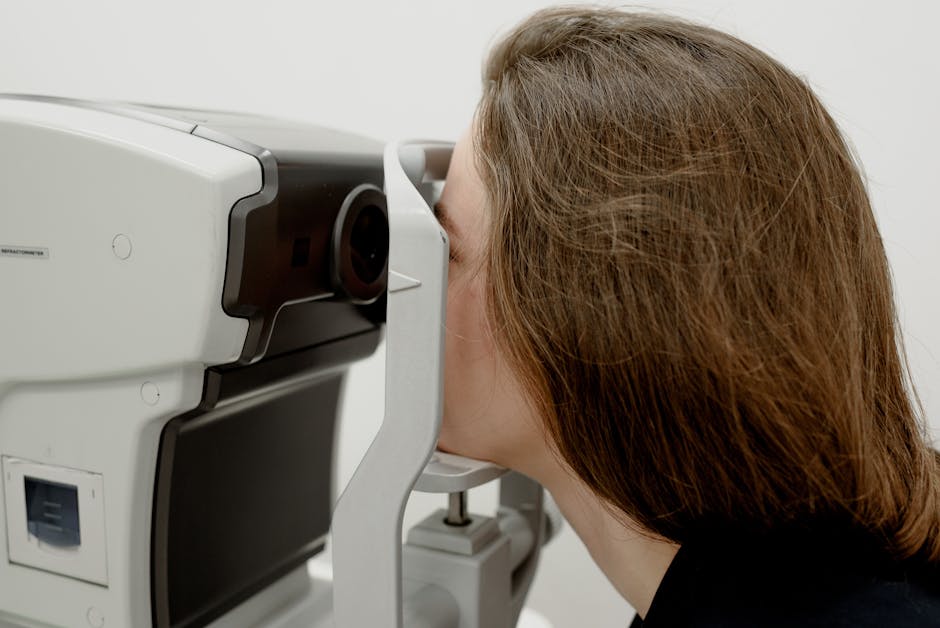
Amydis, a La Jolla, California-based diagnostics company, has received a USD 1.1 million NIH R44 Phase II SBIR award from the National Institute on Aging to advance non-invasive retinal detection of TDP-43 pathology across ALS, frontotemporal dementia, and limbic-predominant age-related TDP-43 encephalopathy (LATE). The award is notable because no clinically validated method currently exists to detect or quantify TDP-43 accumulation in living patients — a gap that limits definitive diagnosis during life and complicates patient stratification and endpoint selection in clinical trials.
Amydis is developing fluorescent small-molecule tracers that selectively label cytoplasmic TDP-43 deposits in the retina, exploiting the retina's accessibility as a CNS-adjacent tissue. In Phase I work, the company reported that its lead tracer, AMDX-2011P, labelled TDP-43 deposits in post-mortem ALS retina, spinal cord, and motor cortex, with additional ex vivo evidence in FTD and LATE tissue. The Phase II program now aims to characterize retinal TDP-43 deposition patterns across these conditions using AMDX-2011P, build an annotated retinal imaging database paired with AI-driven computer vision software for automated deposit quantification, and develop a topical ocular formulation to broaden clinical accessibility beyond intravenous administration.
The translational rationale draws on precedent from Alzheimer's disease and Parkinson's disease research, where amyloid-β and α-synuclein deposits have been detected in retinal tissue correlating with brain pathology. If TDP-43 follows a comparable pattern, retinal imaging could serve as a surrogate readout for CNS disease burden — potentially useful both for early diagnosis and as a pharmacodynamic endpoint in precision medicine trials targeting TDP-43 proteinopathies.
The competitive landscape for TDP-43 biomarker detection is sparse. CSF and plasma TDP-43 assays are in development at several academic centers and diagnostics groups, but none has reached routine clinical use. Retinal imaging as a modality for neurodegeneration biomarkers has attracted interest in Alzheimer's disease, with companies including Cognoptix and academic consortia exploring amyloid retinal signatures, but TDP-43-specific retinal tracers represent a distinct and less crowded approach. Principal investigator Stella T. Sarraf leads the program.