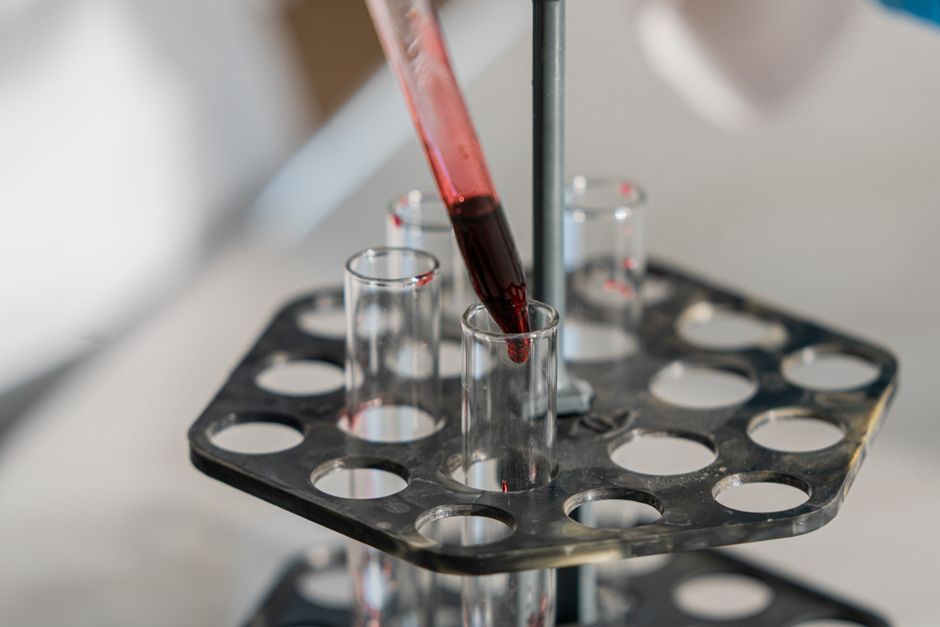
Mayo Clinic Jacksonville has received a USD 8.16 million National Institute on Aging U19 renewal grant to advance blood-based biomarker discovery for Alzheimer's disease across multi-ethnic populations, reflecting sustained federal investment in accessible, scalable AD diagnostics as the field moves beyond cerebrospinal fluid and neuroimaging measures.
The award, listed on NIH Reporter under project number 5U19AG074879-04, funds year four of the CLEAR-AD consortium — a 13-institution, 40-investigator collaboration led by Kwangsik Nho alongside co-investigators Andrew Saykin, Nilufer Ertekin-Taner, and Minerva Carrasquillo.
The consortium's central premise is that AD-associated molecular disruptions detectable in the brain are simultaneously reflected in blood — termed centrally-linked peripheral molecular signatures (CLPMS). Rather than focusing on a single biomarker class, CLEAR-AD applies multi-omics profiling across the transcriptome, proteome, metabolome, lipidome, and epigenome to more than 3,700 participants drawn from the Alzheimer's Disease Neuroimaging Initiative (ADNI), Mayo Clinic Study of Aging (MCSA), and Alzheimer's Disease Research Center (ADRC) cohorts. The approach is designed to capture biological heterogeneity across disease stages and co-pathologies, including vascular disease, that standard amyloid-tau-neurodegeneration frameworks do not fully address.
A distinguishing feature of the program is its explicit focus on African American and Latino American participants alongside non-Hispanic White cohorts — a population gap that has limited the generalizability of most existing AD biomarker research. With more than 20,000 multi-omics measures planned and integration with approximately 48,000 harmonized cognitive, neuroimaging, and fluid endophenotypes, the dataset is among the more comprehensive multi-ethnic AD biomarker resources currently under construction.