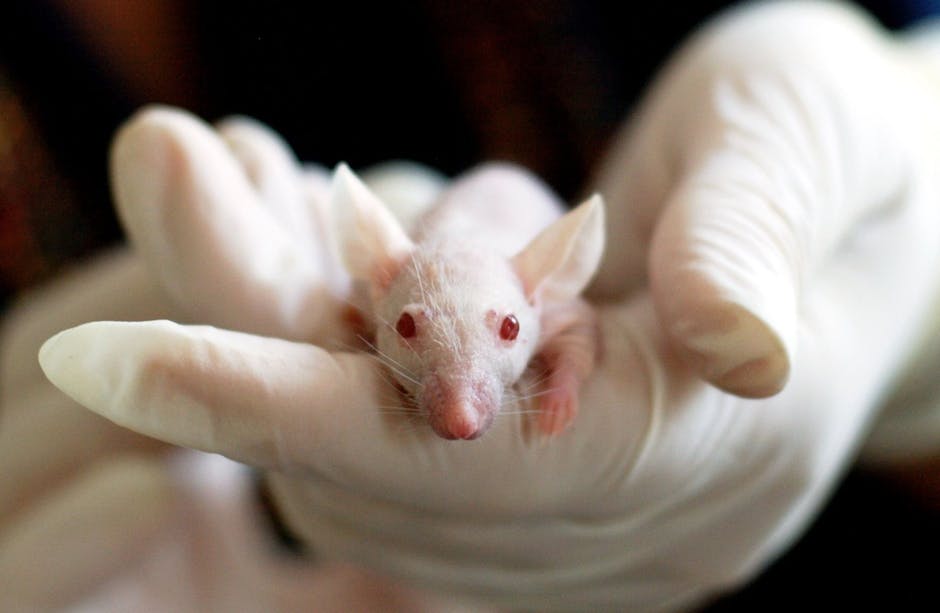
The University of Minnesota has received a USD 1.58 million NIH R01 grant from the National Heart, Lung, and Blood Institute to investigate the cellular mechanisms driving chronic graft-versus-host disease (cGVHD) and test novel CAR Treg and lipid nanoparticle therapies in preclinical models — an award that carries direct translational implications given cGVHD's status as a leading cause of non-relapse mortality after allogeneic hematopoietic stem cell transplantation. Full project details are available via NIH Reporter.
cGVHD affects up to 50% of transplant recipients and remains difficult to treat, particularly when fibrosis develops in the lungs or skin. The grant, led by principal investigator Bruce R. Blazar, will use spatiotemporal multi-omics — integrating single-cell proteomics with whole-genome transcriptomics mapped to histopathological tissue regions — to construct a cellular atlas of cGVHD progression across bronchiolitis obliterans and scleroderma models. Three therapeutic strategies will be tested: CAR Treg cells targeting CD19 to disrupt pathogenic B cell-driven immunoglobulin deposition; mannosylated lipid nanoparticles delivering TGF-β1 siRNA to selectively silence pro-fibrotic signaling in CD206+ macrophages; and CAR Tregs targeting fibroblast activation protein (FAP) to eliminate damaged stromal cells driving tissue fibrosis.
The approach is notable for its convergence of spatial biology and engineered cellular therapies in a single mechanistic program. Competing efforts in cGVHD have largely focused on kinase inhibitors — ibrutinib and ruxolitinib are both FDA-approved in this setting — but neither addresses the fibrotic sequelae that define the most refractory disease. The Blazar lab's emphasis on Treg engineering and targeted nanoparticle delivery represents a distinct mechanistic direction, and the grant explicitly anticipates feeding preclinical data into CAR Treg clinical trials at the NIH Clinical Center led by collaborator Steven Pavletic.
This article was generated with AI assistance and reviewed and edited by the AllSci editorial team Explore more at AllSci News: https://allsci.com/news/
Spot something wrong? Report an issue with this article